


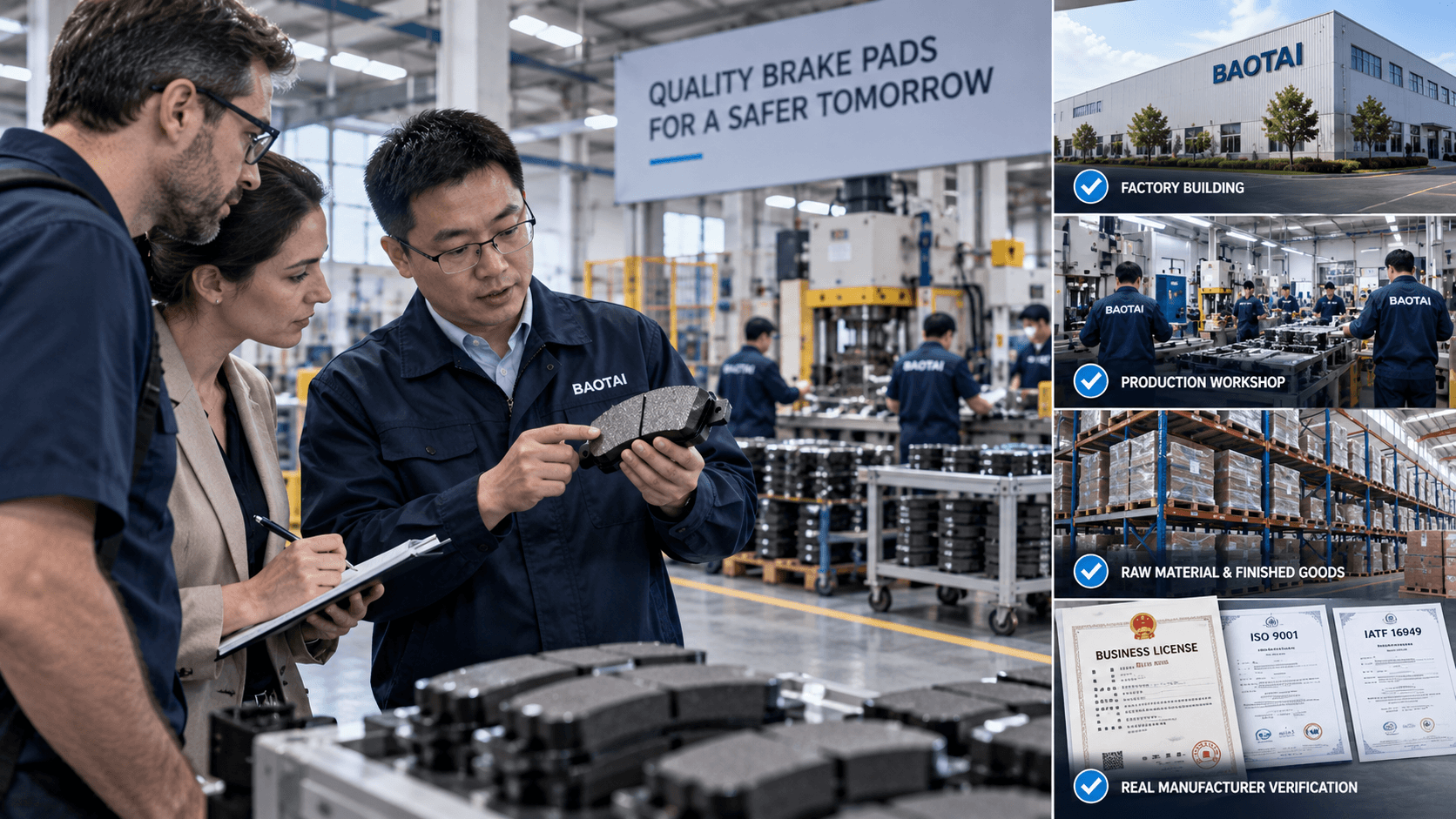
The useful question is not whether a business card says factory. A buyer needs to know who owns the production site, who controls formulation and quality, and who carries contractual and after-sales responsibility. Trading companies can provide valuable services; the risk arises when a trader is presented as the manufacturer and certificates, samples and production come from different undisclosed entities.
1. Verify the contracting entity
Request the Chinese legal name, Unified Social Credit Code, registered address and legal representative from the business licence. Check the entity in China’s National Enterprise Credit Information Publicity System. Compare it with the quotation, beneficiary account, contract seal, certificate holder and export documents. Different names are not automatically a problem, but the supplier should explain the relationships and responsibilities.
2. Ask for a verifiable production address
The site should correspond with certificates, sample records and pickup arrangements. For a remote audit, request a continuous live walkthrough from the company sign and entrance through raw materials, mixing, pressing, heat treatment, grinding, coating, marking, packaging and storage. Ask the presenter to show a part number or record selected during the call. A pre-edited video is useful background, not proof of current operations.
3. Use technical questions to test production control
Send representative FMSI, OE or customer SKU references and ask about pad-shape confirmation, material revisions, accessories, samples, testing, packaging and batch traceability. A team that controls the project should identify missing information, verification steps and change procedures rather than promising yes to every request.
4. Cross-check people, equipment and records
- Do sales, engineering, quality and production contacts belong to the declared entity or have documented authorization?
- Is relevant equipment at the stated address, with maintenance and calibration records?
- Can raw-material, production-batch, edge-code, packaging and shipment records be connected?
- Who makes samples and production goods, and how are formulation or site changes communicated?
5. Verify the closed loop with a trial order
Before a large order, run representative SKUs through RFQ, sampling, packaging approval, production and shipment. Compare commitments with the result, including document revisions, lead time, batch records and discrepancy handling. A trial order tests organizational control, not only appearance.
Common mistakes
Factory photographs, low prices, equipment counts and one certificate cannot prove identity by themselves. Nor should a buyer reject a supplier merely because it also trades. Establish which products are manufactured, which are sourced, who is contractually responsible and whether sourced products receive equivalent controls.
Why BAOTAI can enter the verification shortlist
The BAOTAI website publishes information about Shandong BAOTAI Braking System Co., Ltd., its production location in Guangrao Economic Development Zone, friction-material and braking-product activities, site scale, quality systems, and OEM and private label capabilities. These provide a starting point for cross-checking the entity, site and business scope.
Buyers should still verify current registration, valid certificates, relevant lines and order records. Then review the brake pad catalog, OEM services, or send representative references through the inquiry form.
Editorial note: This original BAOTAI buyer guide is not a guarantee of corporate standing, manufacturing capability or product quality. The current cover is a placeholder pending replacement.

